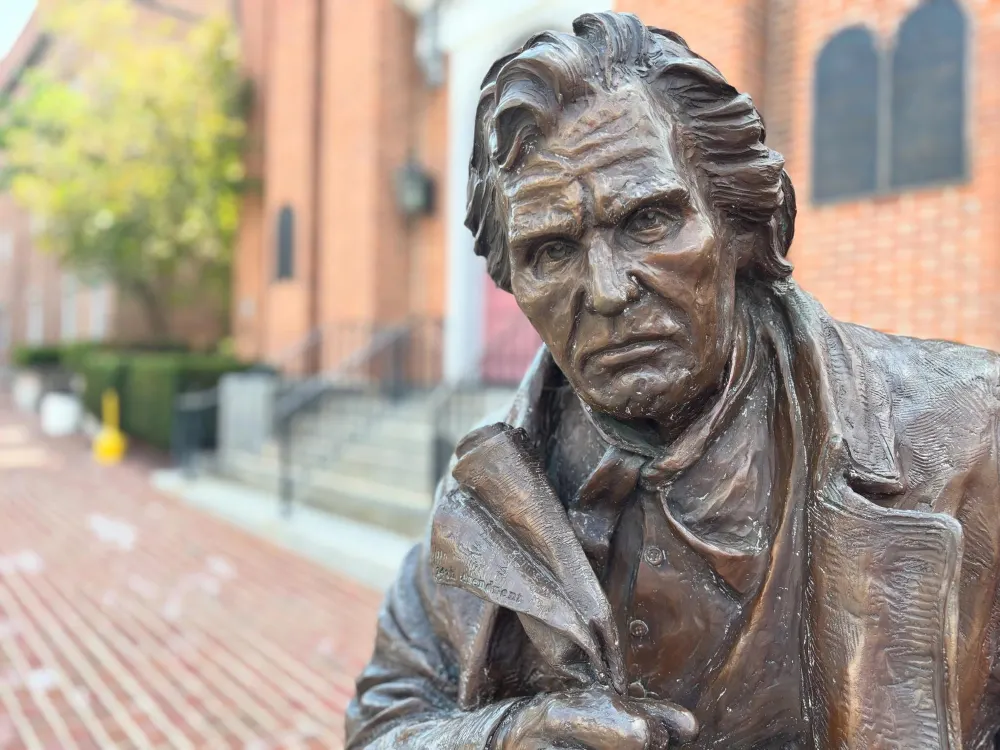
I pass this monument every day; each time considering the legacy of Thaddeus Stevens and those who fought to bring freedom and citizenship to millions of Americans. Their work is still enshrined in the 14th Amendment to the United States Constitution.
Last week we scattered the remains of my father in a place that meant the world to him. It was a bittersweet and cathartic experience that was seven years in the making.
If you want to know how the general population will react in the event of catastrophe and uncertainty, look no further than a National Park parking area on a semi-busy weekend.
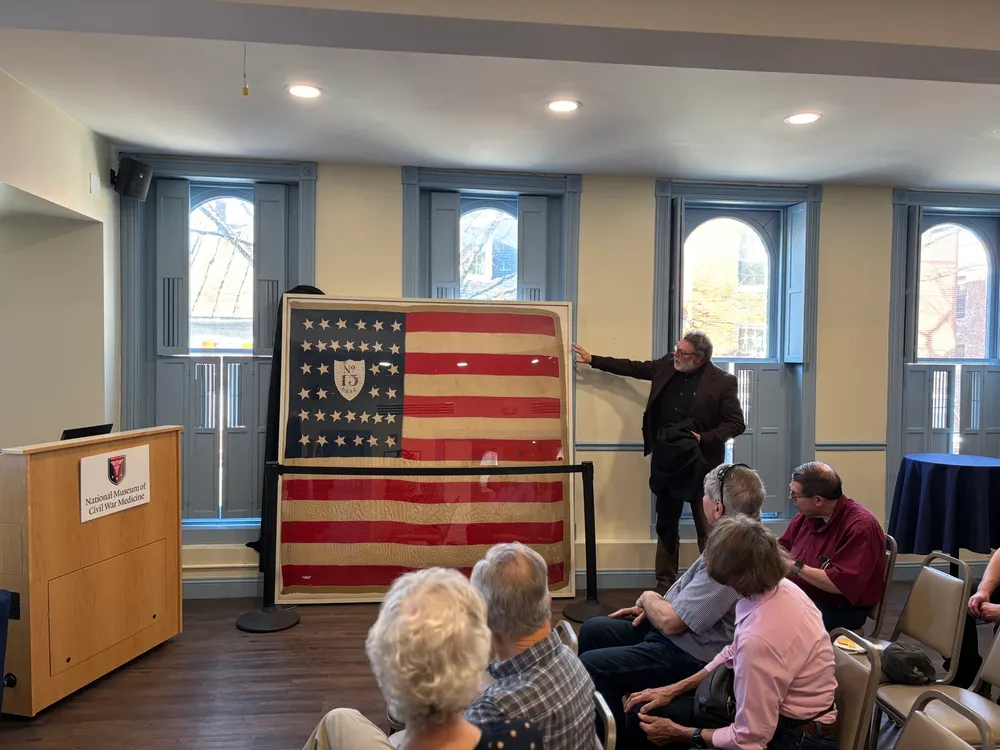
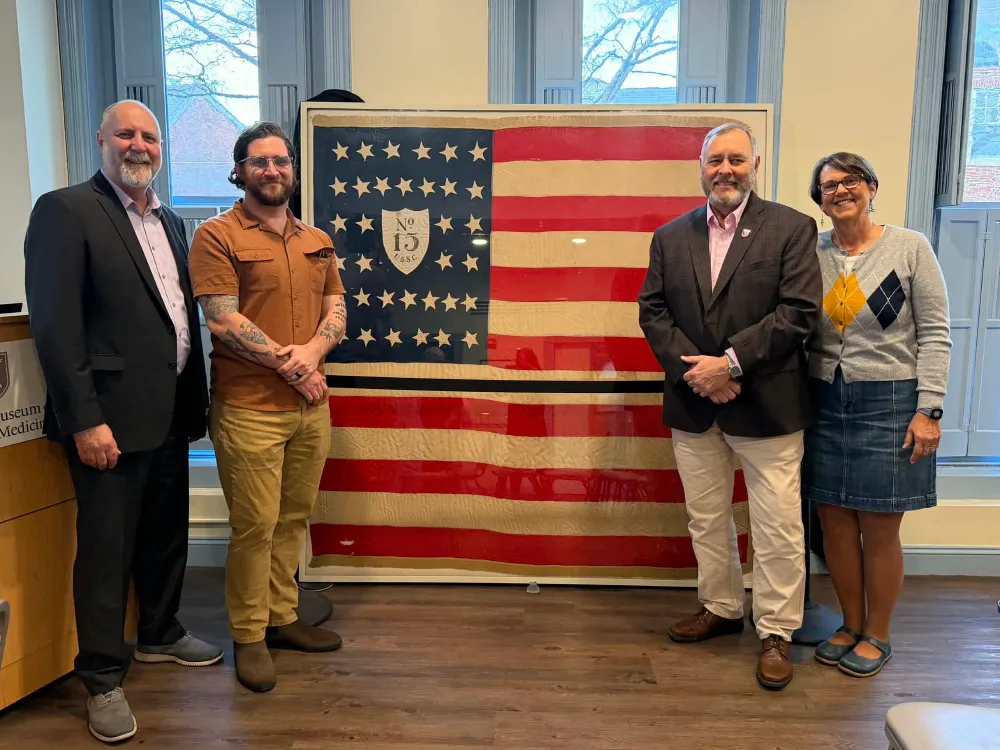
Last night a 162-year-old flag was unveiled for the @CivilWarMed collection; a flag that once flew over US Army Hospital No. 15 in the coastal town of Beaufort, South Carolina, and bore witness to immense societal change in the Deep South, from slavery to freedom.
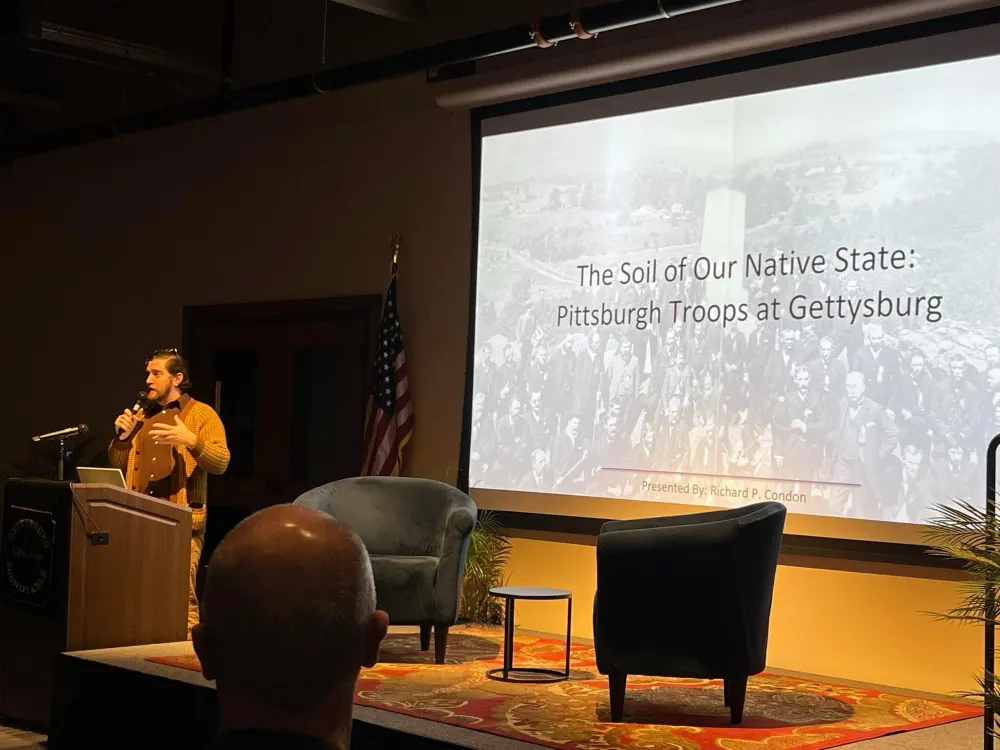
Many thanks to my friends at the Civil War Roundtable of Gettysburg for inviting me to speak about my two favorite Burg(h)s, and to everyone who tuned in to listen!
On February 25, 1870 Hiram R. Revels, a former preacher and educator from Mississippi, took his oath of office as the first Black member of the US Senate. In a twist of irony Revels was to hold the seat previously occupied by Jefferson Davis - former president of the Confederacy.
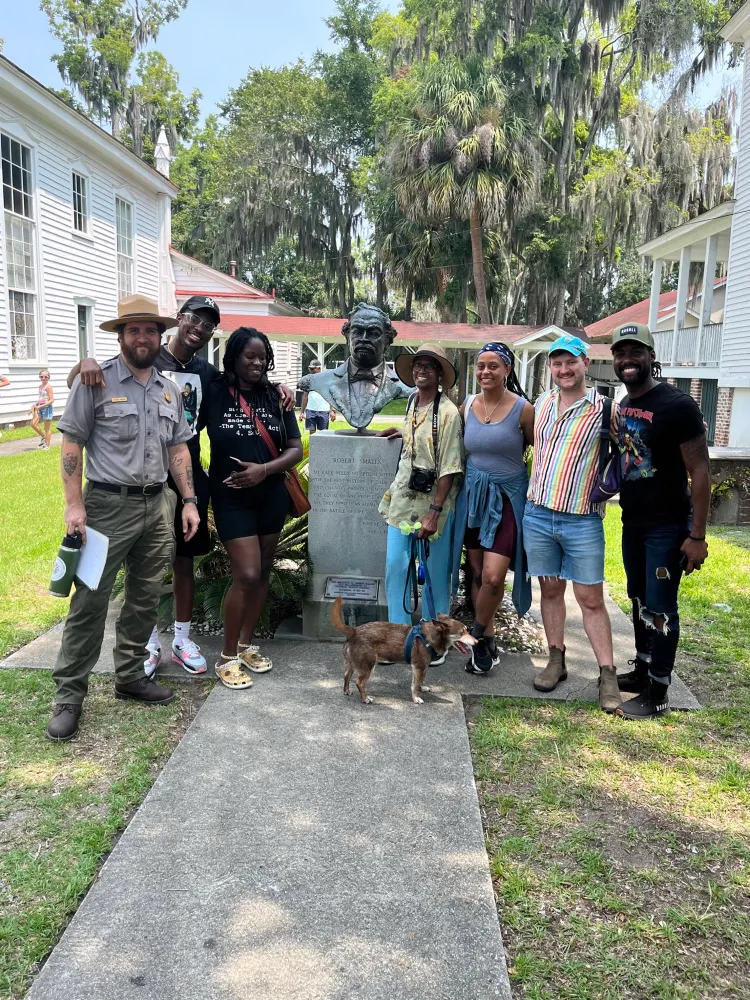
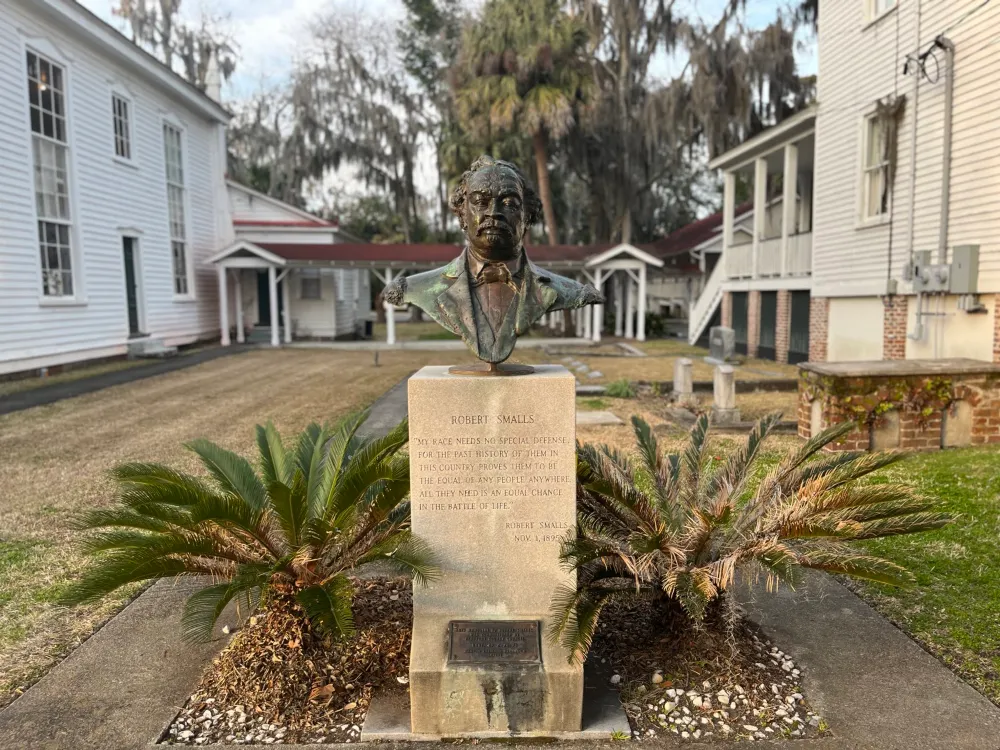
On February 23, 1915, Congressman Robert Smalls passed away at his home on Prince Street in Beaufort - a house in which he was born enslaved, and died free after buying the property during Reconstruction. He now rests just a few blocks away in Tabernacle Baptist Church cemetery.
This battle cry was in reference to the status of unequal pay they’d been fighting since they first arrived in the South Carolina Lowcountry. The inequality in pay for Black soldiers would not be rectified for several more months.
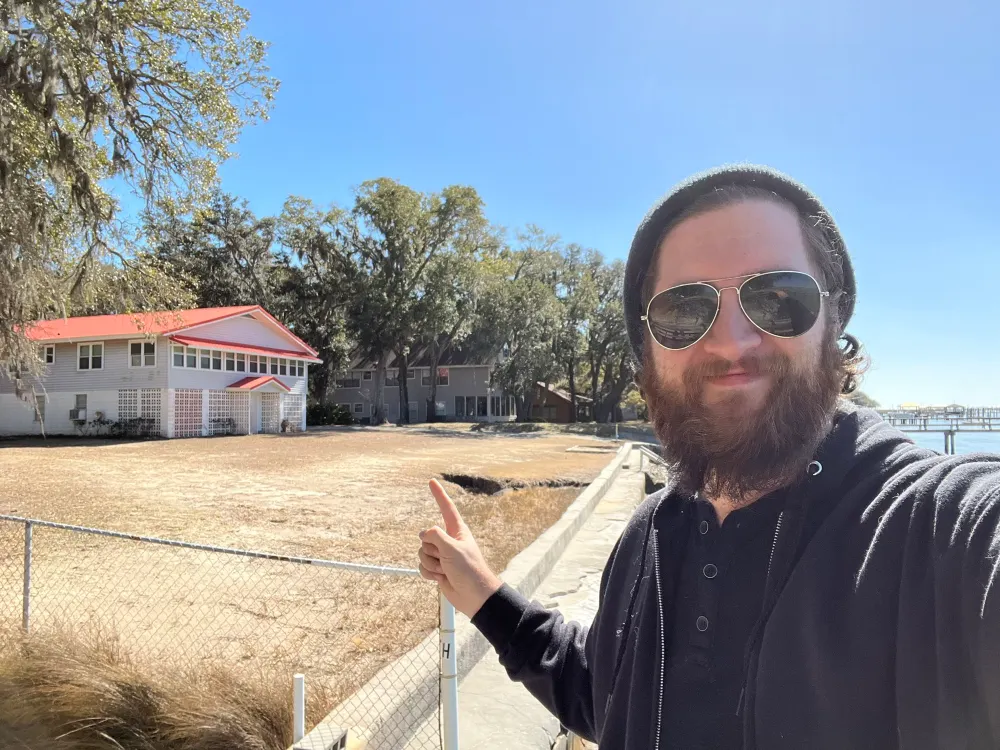
In June 1863 the 54th Massachusetts Infantry set up camp here, in the vicinity of Land’s End on St. Helena Island.
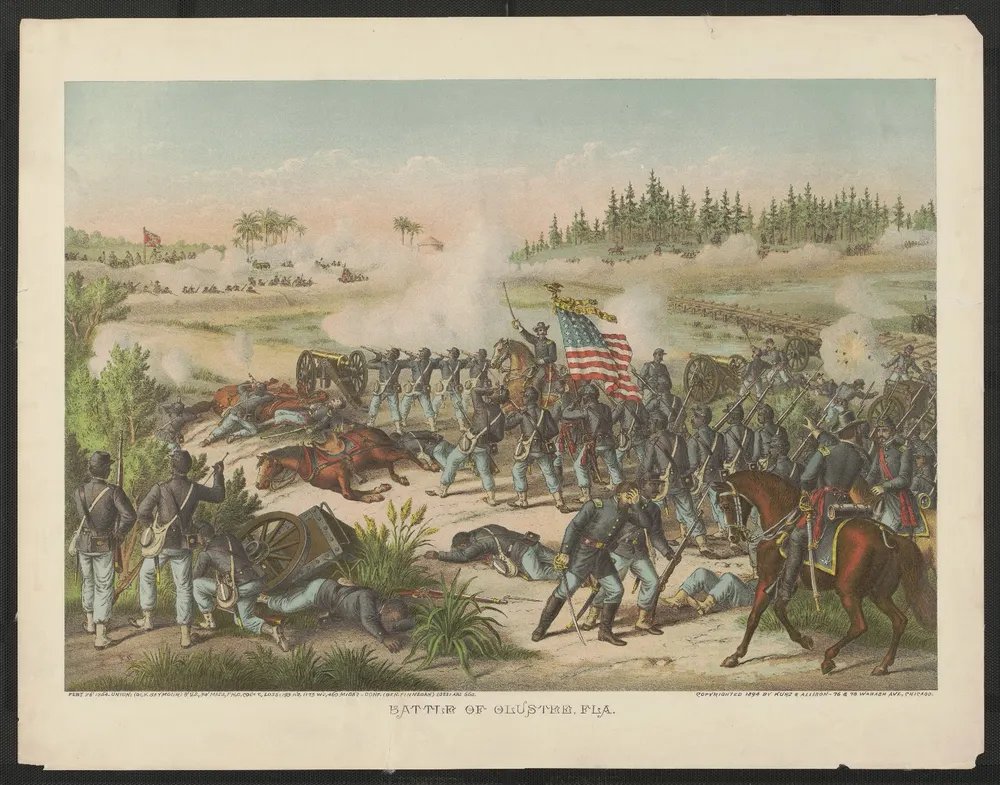
Less than a year later, on February 20, they were engaged at the Battle of Olustee, where they ran into action shouting, “Three cheers for Massachusetts and seven dollars a month!”
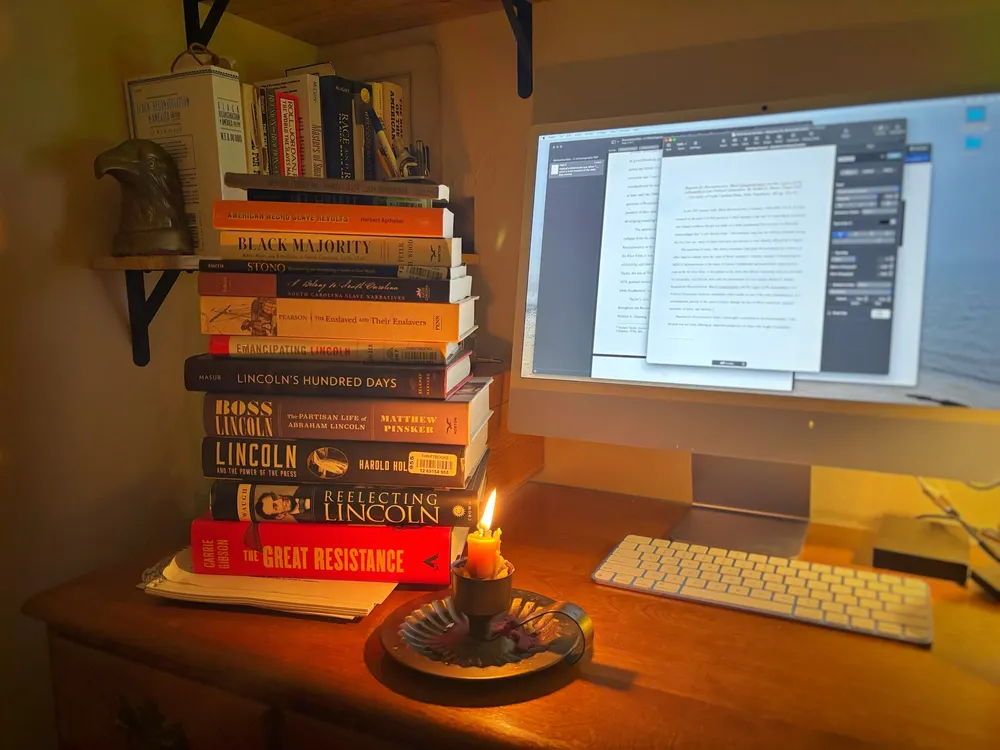
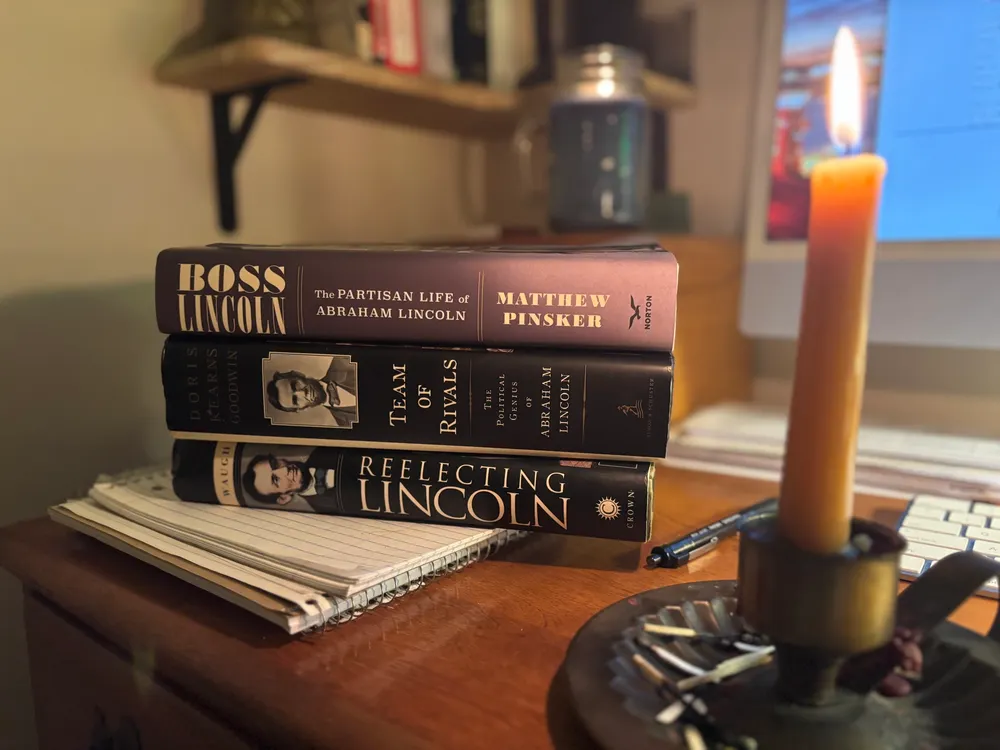
We’re off to a robust start of the second to last semester of grad school, and a stout foundation has been built for what I know will be a growing pile of literature.
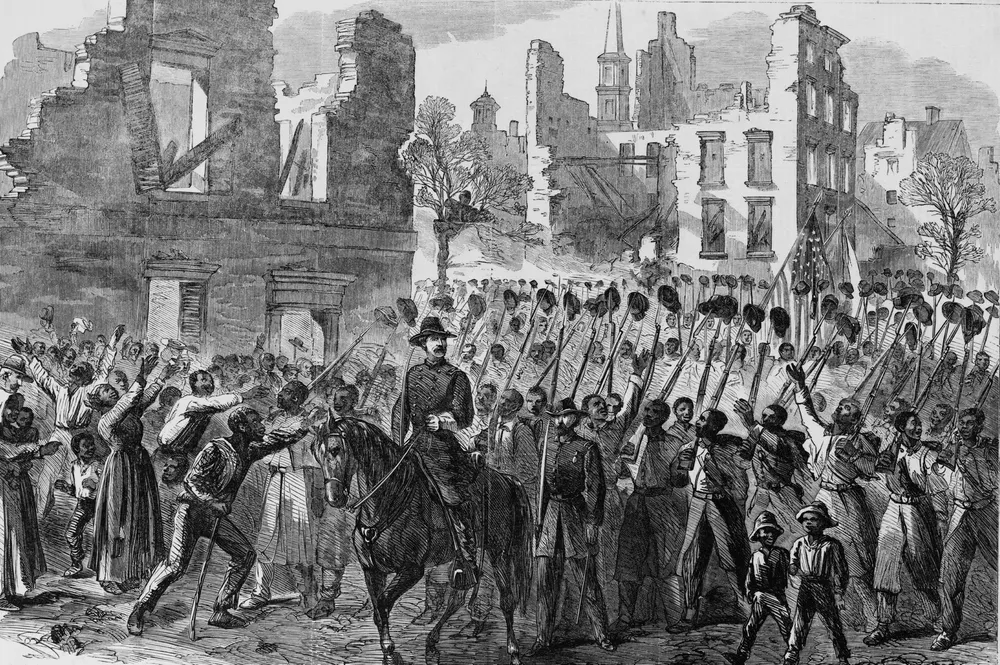
On February 18, 1865, the Comfederate stronghold of Charleston surrendered to US troops. Among the first soldiers to march through the fallen port city were those of the 21st USCT, many of whom had been enslaved in Georgia, Florida, and South Carolina.
Visitors: “It’s beautiful outside - you should get out and enjoy the sun!”
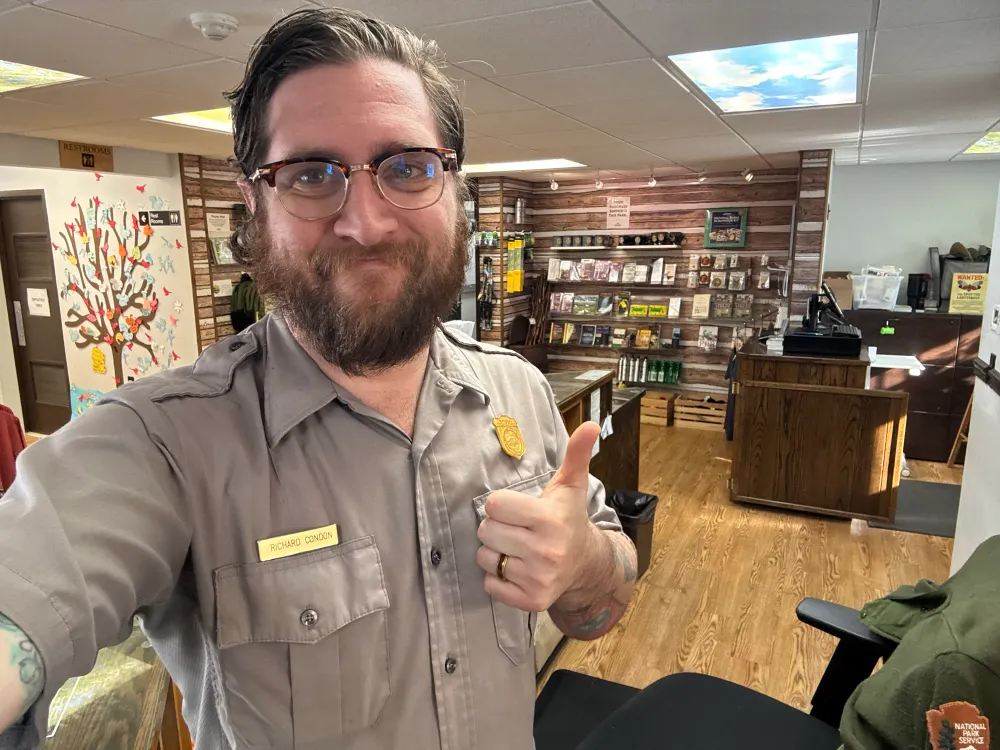
Me, the only ranger on duty in the visitor center at an understaffed park in an agency that lost 25% of its already dwindling workforce in the last year: